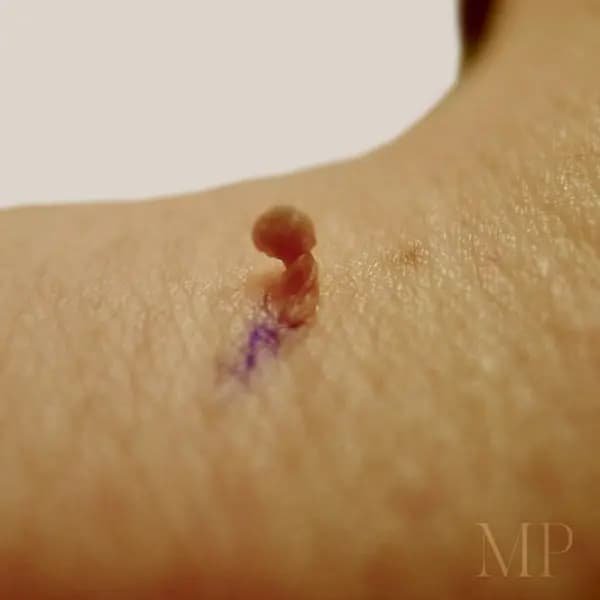
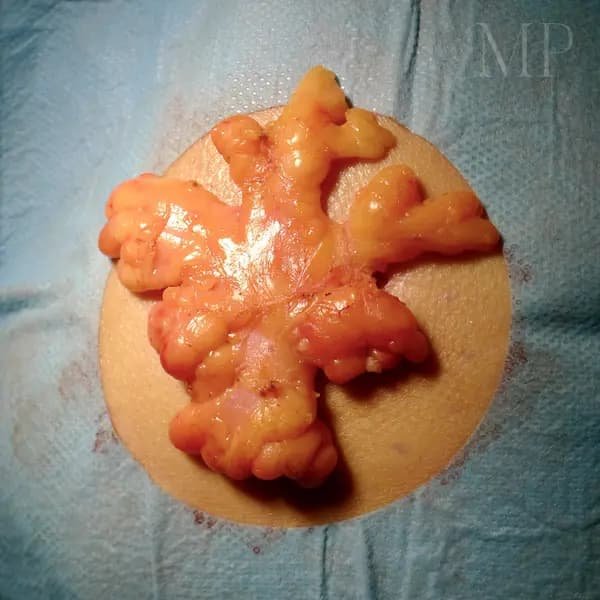
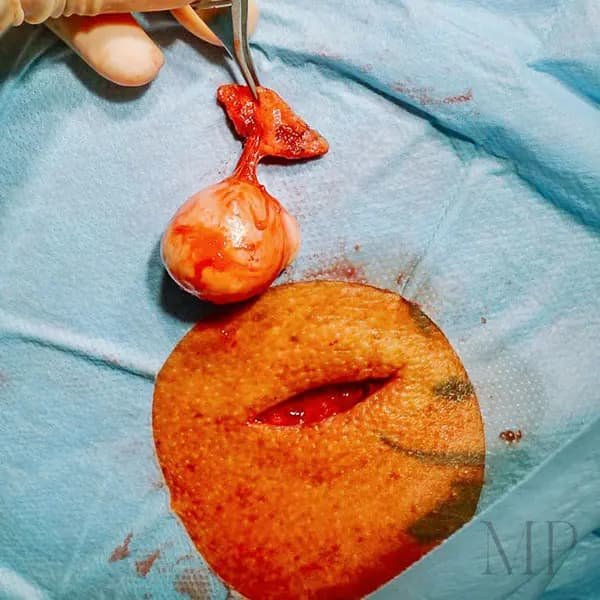
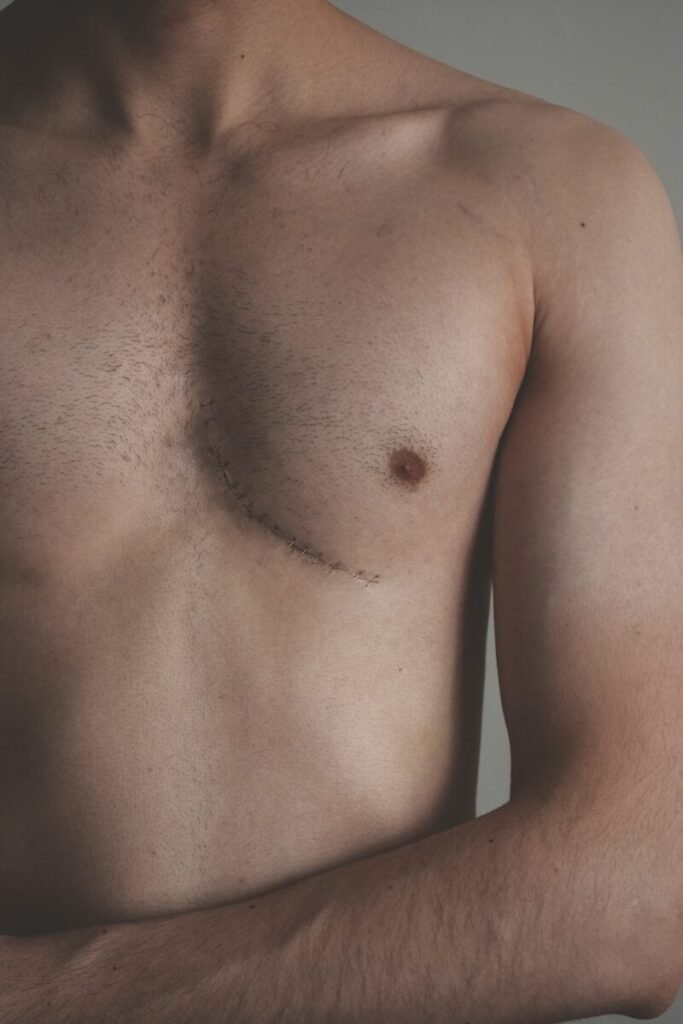
Surgeon is using tools to stitch a wound.

Skin Lesion Removal

Most skin lesions are benign — but that does not mean they should be ignored, or that removing them is straightforward. The right technique depends on the lesion type, its size, and where it sits on the body. On the face in particular, the difference between a careful excision and a poor one is visible for life.

Mr Matthew Potter has been performing skin lesion removal surgery since 2000. He has removed over 1,000 lesions in the last five years alone, with a return to theatre rate of less than 1%, a post-operative infection rate of less than 1%, and 0% requiring revision surgery. As a skin cancer specialist, he also has the skills and clinical network to ensure that any lesion with concerning features is assessed and managed appropriately — without compromising any further treatment that might be needed.

Treating a skin lesion does not always require surgery. Mr Potter will discuss all available options — surgical and non-surgical — at your outpatient consultation before any decision is made.

Skin Lesion Removal Procedures

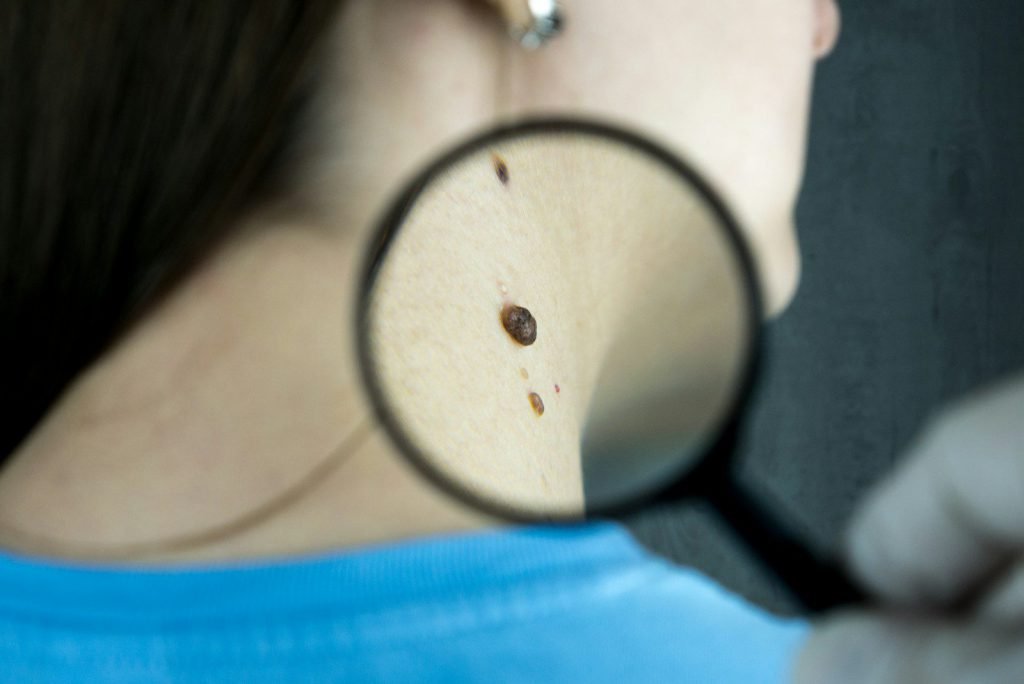
Mole check service using dermoscopy, with surgical removal where indicated. All removed lesions sent for pathological analysis. Mr Potter can manage any lesion with atypical features through full specialist workup.
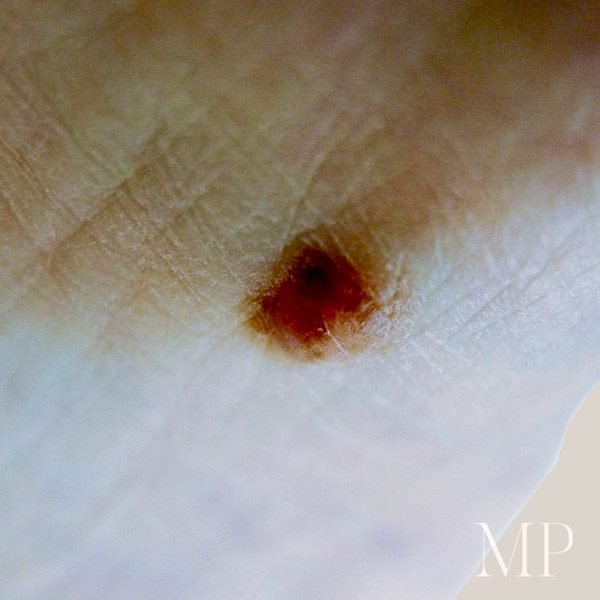
Common, benign outgrowths most often found in the armpit, neck and groin. Treated by shave excision under local anaesthetic — a straightforward procedure with minimal downtime.
Fatty lumps beneath the skin, removed through a simple incision. Mr Potter has a specialist interest in lipomas of the head and neck and direct links to Oxford’s sarcoma service where concerning pathology requires further management.
Sebaceous cysts removed under local anaesthetic. Mr Potter uses a micro scar technique for facial cysts — a 3 to 4mm incision — to minimise visible scarring on cosmetically sensitive areas.
Abnormal, thickened, raised or poorly positioned scars addressed through excision, reorientation, injection therapies, fat grafting, or pressure devices. Mr Potter holds a higher degree in wound healing and scar research.
Skin Lesion Removal Procedures

Why Mr Potter

1,000

Over 1,000 skin lesions removed in the last 5 years

Less than 1% return to theatre

Less than 1% post-operative wound infection

Less than 1% lesion recurrence

0%

requiring revision surgery

Performing skin lesion surgery since 2000

PHIN

Patient satisfaction score: 99%

PHIN is an independent government audit of consultant patient outcomes, randomly sampling post-operative patients. A 99% satisfaction score places Mr Potter among the highest-rated plastic surgeons in the country.

Mr Potter's Approach

Not every lesion needs surgery. Liquid nitrogen, topical treatments, and other non-surgical approaches are appropriate for certain lesion types and will always be discussed before any surgical option is recommended.

Where surgery is the right approach, Mr Potter tailors the technique to the lesion and its location — using aesthetic surgical principles to minimise scarring, particularly on the face. Every lesion he removes is sent for pathological analysis as standard, confirming it is benign and that no further action is required. Where analysis reveals anything concerning, Mr Potter has the specialist skills and clinical network — including links to the Oxford sarcoma service and skin cancer MDT — to ensure appropriate further management.

Frequently Asked Questions

Does skin lesion removal always require surgery?

No. Many lesions can be treated non-surgically — through liquid nitrogen application, topical treatments, or other outpatient approaches. Mr Potter will discuss all available options at your consultation before recommending any treatment.

Yes. Every lesion Mr Potter removes is sent for pathological analysis as standard, confirming the nature of the tissue and whether any further action is required.

Mr Potter is a skin cancer specialist with direct links to Oxford’s skin cancer MDT and sarcoma service. Where pathological analysis reveals any concerning features, he has the clinical network and specialist skills to ensure appropriate further management is in place without delay.

At the Manor Hospital in Oxford, Ridgeway Hospital in Swindon, Stratum Clinic in Wootton Oxfordshire, ProDerm in Cheltenham, and Interface Business Park in Royal Wootton Bassett.

Contact Lissie, Mr Potter’s private secretary, on 07917 965717 or use the enquiry form below.

Book a Consultation

Contact us if you have any health concerns or are looking to get a consultation. You can contact Matthew Potter by using the form below or contact him through one of the available telephone numbers or email addresses listed on this page.

Private Secretary & All Correspondence

T. 07917 965717

Swindon - Ridgeway Hospital

T. 01793 814848

Cheltenham - ProDerm, Festival House

T. 0800 0489230

Oxfordshire - Stratum Clinic,
Wootton Business Park

T. 01865 320790

Wiltshire - Interface Business Park, Royal Wootton Bassett

T: 0808 2803560

Oxford - The Manor Hospital

T. 01865 307777

Contact Lissie on 07917 965717 or use the form below.