




Breast Reduction
Why Mr Potter
16 years performing breast reduction surgery
100% nipple survival
100% areolar survival
0% return to theatre
0% haematoma
0% wound breakdown
0% long-term nipple or areolar sensation loss
0% redo operations for corrections
No patient has stayed more than one night post-operatively
PHIN patient satisfaction score: 99%
PHIN is an independent government audit of consultant patient outcomes, randomly sampling post-operative patients. A 99% satisfaction score places Mr Potter among the highest-rated plastic surgeons in the country.
Patient Imagery
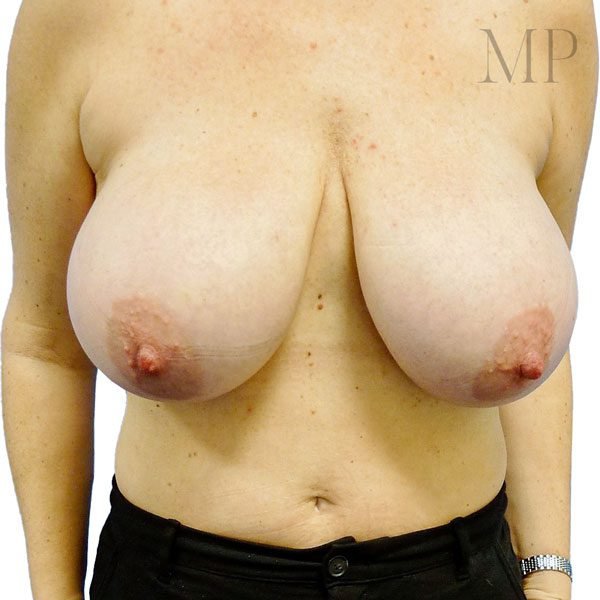
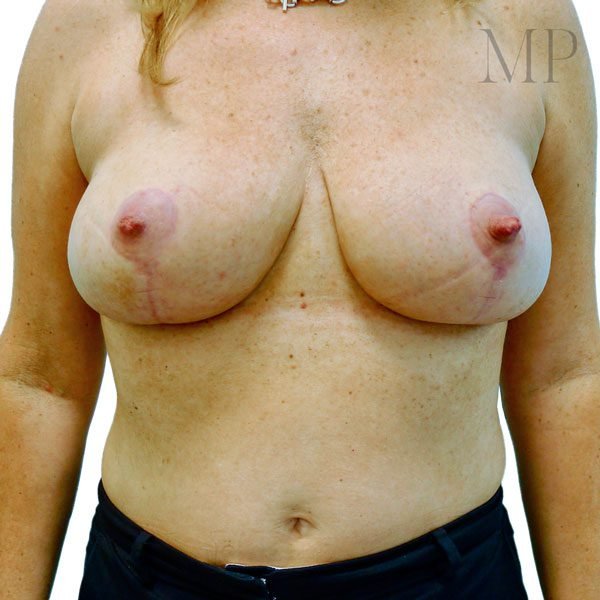
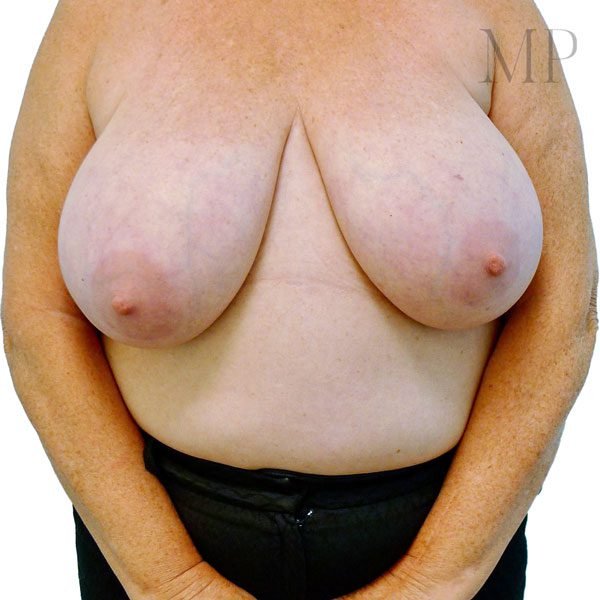
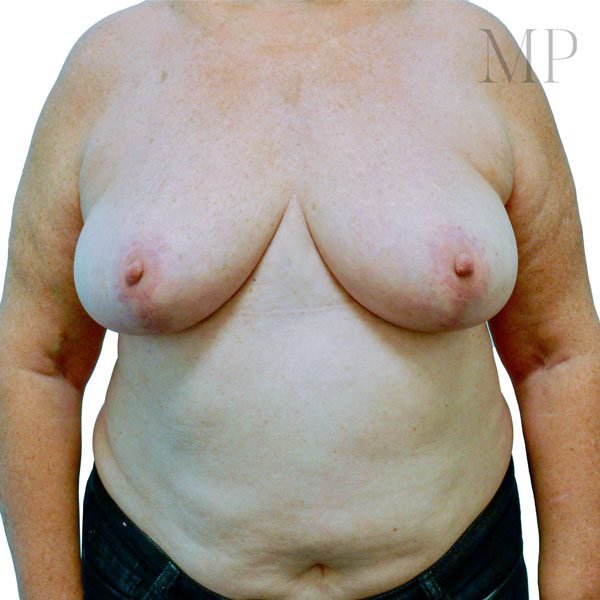
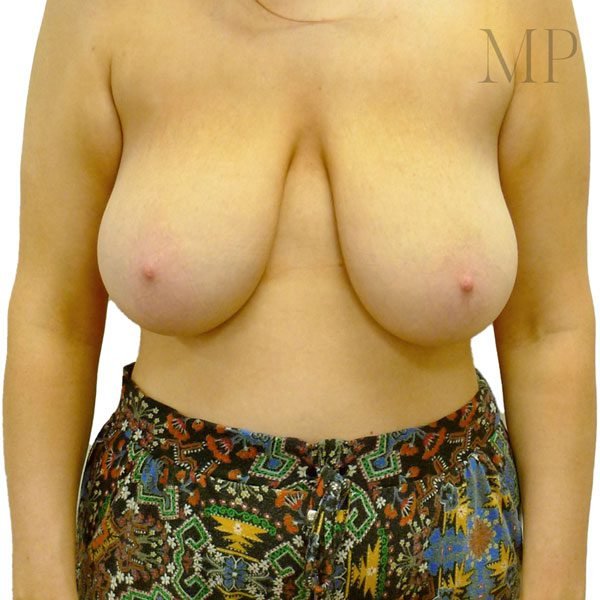
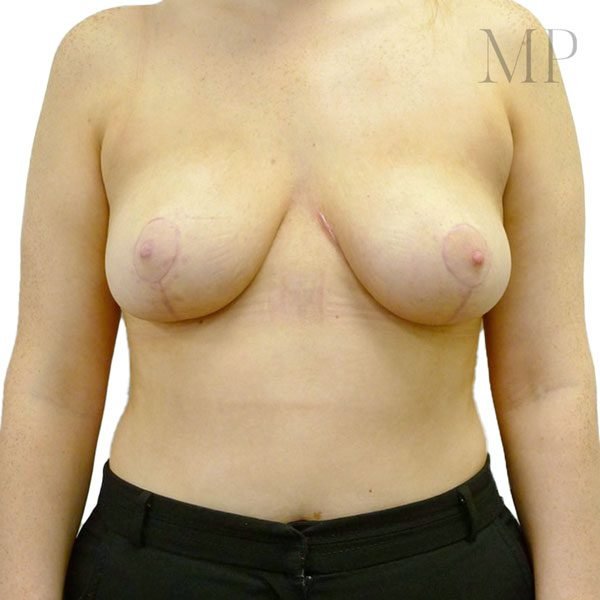
Your Recovery
Recovery Timeline
Days 1 – Drains removed; sports bra fitted; shower with tape in place
Days 1–2 – Oral pain relief as needed — most patients need it for two days only
Days 3–5 – Wound tapes begin to peel; trim at home as needed
10 days – Wound check; any areolar sutures removed
3 weeks – Review with Mr Potter
8 weeks – Sports bra and avoidance of underwired bras until this point
8 weeks – Return to normal activities
Do's & Don'ts
- Wear a supportive soft sports bra day and night for 8 weeks following the procedure
- Avoid underwired bras for at least 8 weeks following complete wound healing
- Shower the day after surgery with tape in place; wash thoroughly and allow to air dry
- Avoid strenuous exercise for 6 weeks
- Avoid lifting heavy weights for 6 weeks
- Do not drive until you can safely perform an emergency manoeuvre
- Return to normal activities at 8 weeks
The Procedure
Where appropriate, breast reduction can be performed alongside breast implant augmentation — reducing and tightening the skin envelope while also increasing volume.
- Scarring — permanent; follows an inverted T or anchor pattern; fades significantly over time but scars are rarely completely invisible; Mr Potter will show you examples during consultation; raised wound edges flatten at around one month
- Infection or wound breakdown — less than 5%; most likely at the base of the breast at the junction of the scars; managed with dressings at the hospital; 0% in Mr Potter’s data
- Changes in nipple or areolar sensation — Mr Potter uses a technique that maintains as many nerve connections to the chest wall as possible; 0% long-term loss in his data; some temporary change is possible in the early recovery period
- Nipple or areolar compromise — 100% nipple and areolar survival in Mr Potter’s data; loss of one or both nipples is exceptionally rare
- Fat necrosis — rare; loss of fat volume after the procedure that may cause lumps or an oily discharge; managed with dressings or massage
- Haematoma — 0% in Mr Potter’s data; drains are placed during surgery to minimise this risk and removed before discharge
- Wound breakdown — 0% in Mr Potter’s data
- Asymmetry — pre-existing asymmetry is common; Mr Potter will remove different volumes from each breast where needed to correct this
- Potential inability to breast feed — the procedure removes glandular tissue which may affect the ability to breast feed; patients who wish to breast feed in future should discuss this with Mr Potter before proceeding
- DVT / pulmonary embolus — specialist stockings and blood-thinning injections are provided during your stay
- Further procedures — where any adjustments are needed, Mr Potter and his hospital teams are happy to facilitate further surgery to ensure you are happy with your result
What Patients Say
Frequently Asked Questions
What does breast reduction surgery involve?
Breast reduction removes skin, glandular tissue and fat from the breast to reduce volume and reshape the breast. The procedure also elevates the breast and repositions the nipple, typically producing a breast that is both smaller and more projected than before surgery. Every piece of removed tissue is sent for histological analysis as standard.
Will there be visible scarring?
Yes — breast reduction produces permanent scars in an inverted T or anchor pattern. Mr Potter places incisions as carefully as possible and scars fade significantly over time, but they should be considered carefully before proceeding. He will discuss them in detail and show you examples during consultation.
Can breast reduction be combined with implants?
Yes. Where a patient wants to reduce and reshape but also add some volume, Mr Potter can perform a reduction alongside augmentation. He will discuss whether this is appropriate for you.
Will I lose nipple sensation?
Mr Potter uses a technique that maintains as many nerve connections to the chest wall as possible. His outcome data records 0% long-term loss of nipple or areolar sensation. Some temporary change in sensation is possible in the early recovery period.
Can I breast feed after breast reduction?
The procedure removes glandular tissue which may affect the ability to breast feed. Patients who wish to breast feed in future should discuss this with Mr Potter before proceeding.
Is all removed tissue analysed?
Yes. Every piece of tissue removed during breast reduction is sent for histological analysis as standard.
How long is recovery?
Most patients go home the day after surgery once drains have been removed. Most return to office-based work within two weeks. Mr Potter reviews you at ten days, three weeks, and three months.
Where does Mr Potter perform breast reduction?
At the Manor Hospital in Oxford, Ridgeway Hospital in Swindon.
Book a Consultation
Contact us if you have any health concerns or are looking to get a consultation. You can contact Matthew Potter by using the form below or contact him through one of the available telephone numbers or email addresses listed on this page.
Private Secretary & All Correspondence
T. 07917 965717
Swindon - Ridgeway Hospital
T. 01793 814848
Cheltenham - ProDerm, Festival House
T. 0800 0489230
Oxfordshire - Stratum Clinic,
Wootton Business Park
T. 01865 320790
Cotswold Surgical Partnership, Royal Wootton Bassett
T: 0808 2803560
Oxford - The Manor Hospital
T. 01865 307777
Contact Lissie on 07917 965717 or use the form below.