




Face & Neck Lift
Why Mr Potter
160+ face and neck lift procedures performed
0% facial nerve injury or paralysis
0% long-term pain
Average post-operative stay: 1–2 nights
Return to office work: 2–4 weeks
PHIN patient satisfaction score: 99%
PHIN is an independent government audit of consultant patient outcomes, randomly sampling post-operative patients. A 99% satisfaction score places Mr Potter among the highest-rated plastic surgeons in the country.
Our technique to restore a harmonious natural appearance.
The Deep Plane High SMAS Facelift
Our Approach to the Mid Face
Our Approach to the Lower Face & Jowls
Our Approach to the Neck
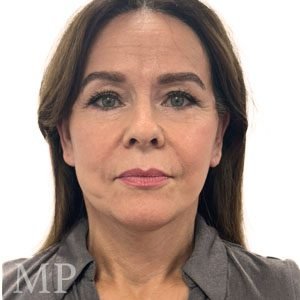
Patient Imagery
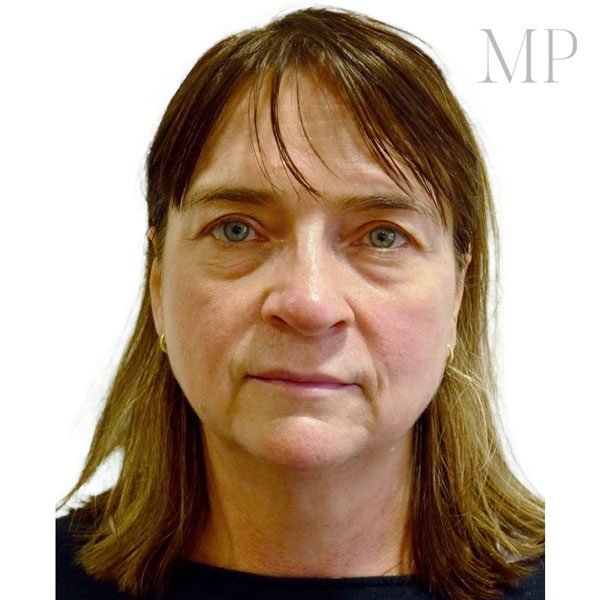
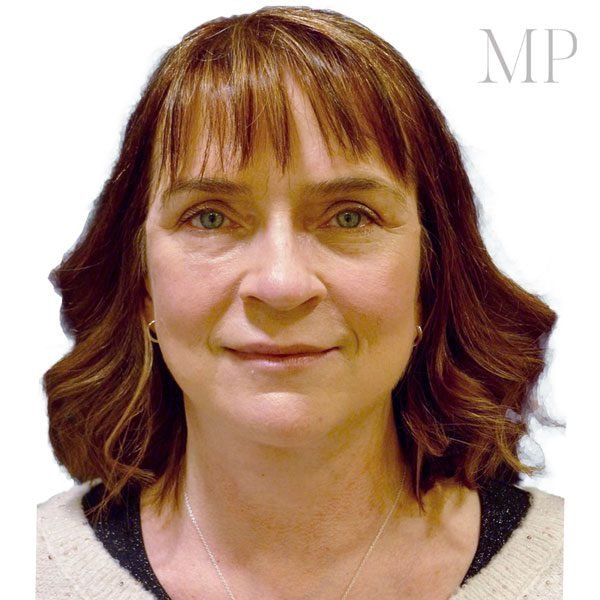
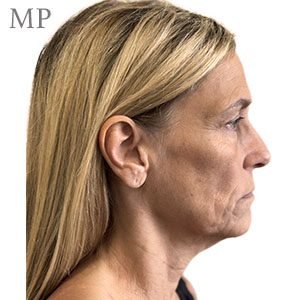
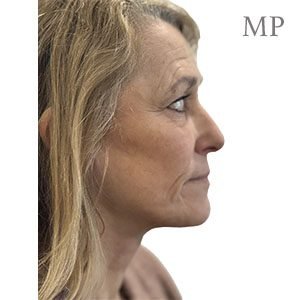
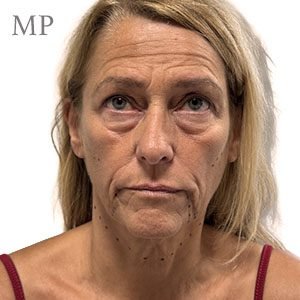
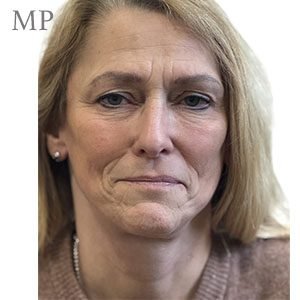
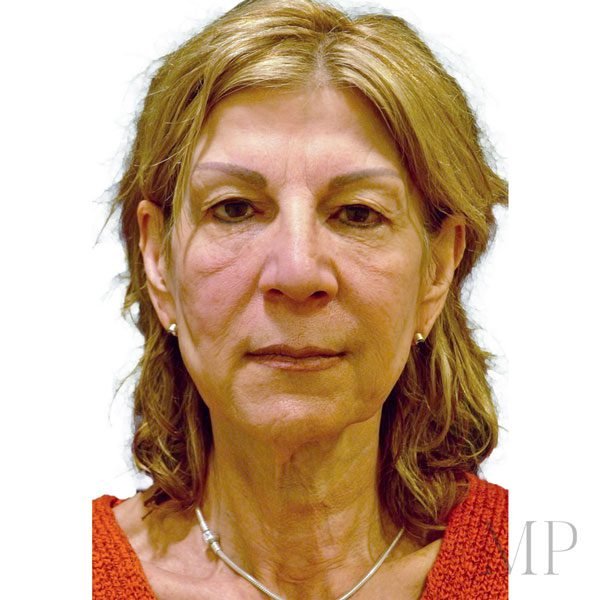
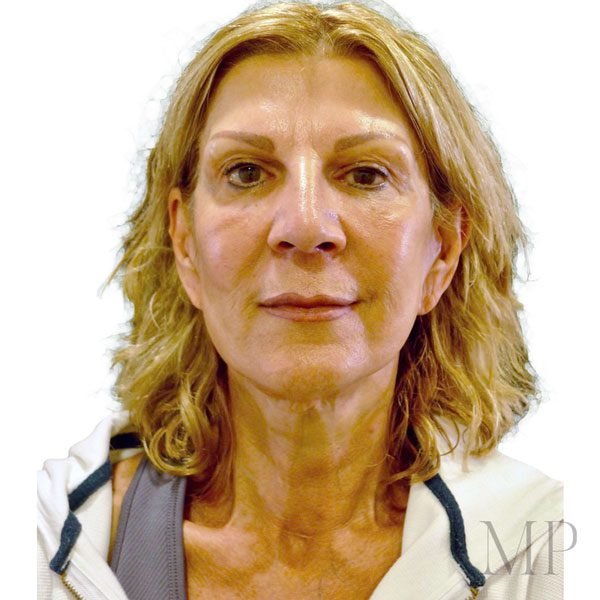
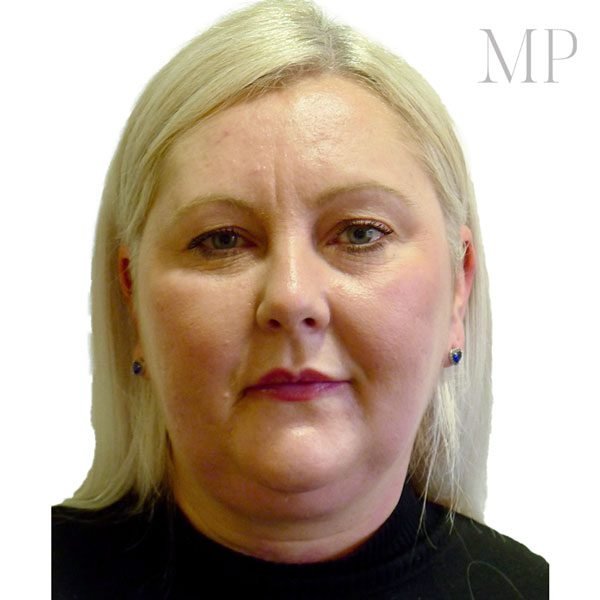
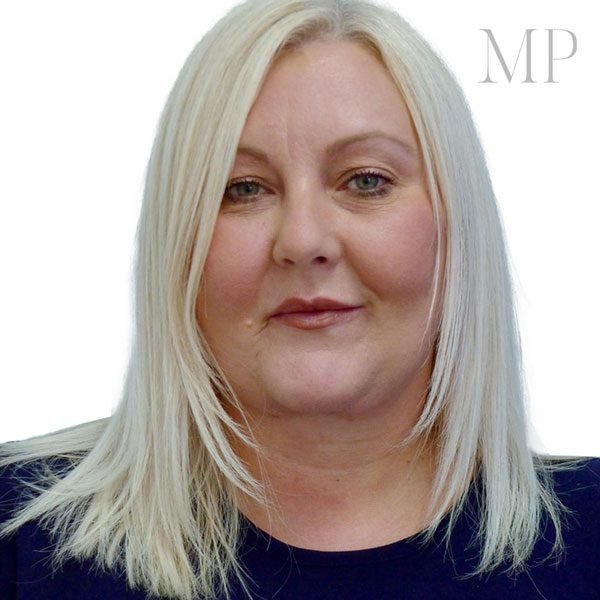
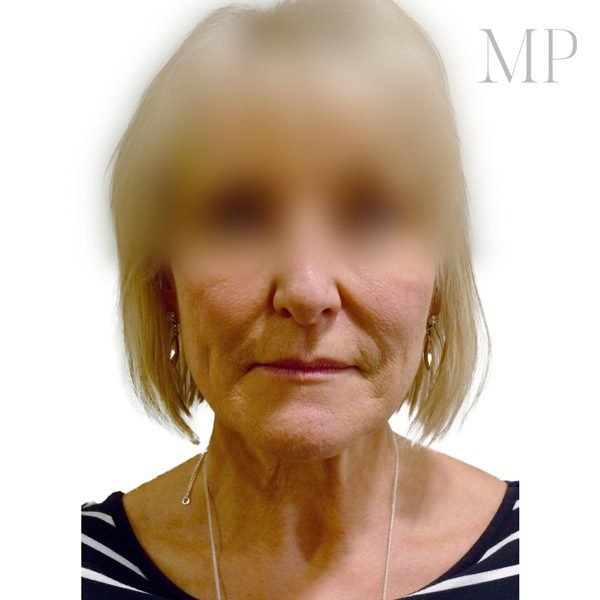
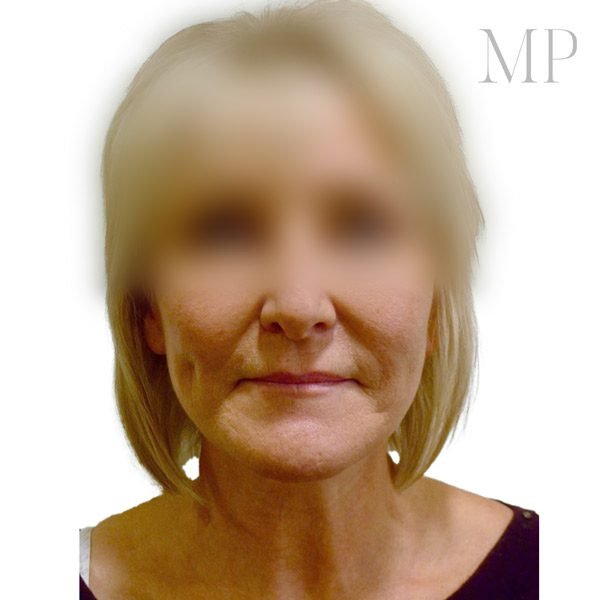
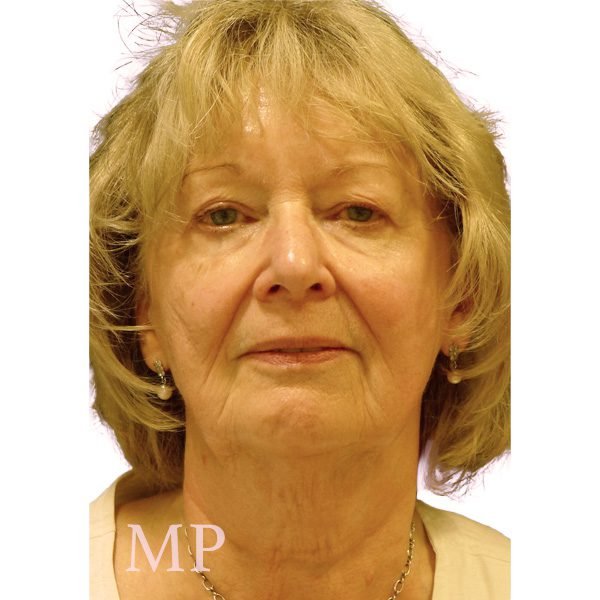
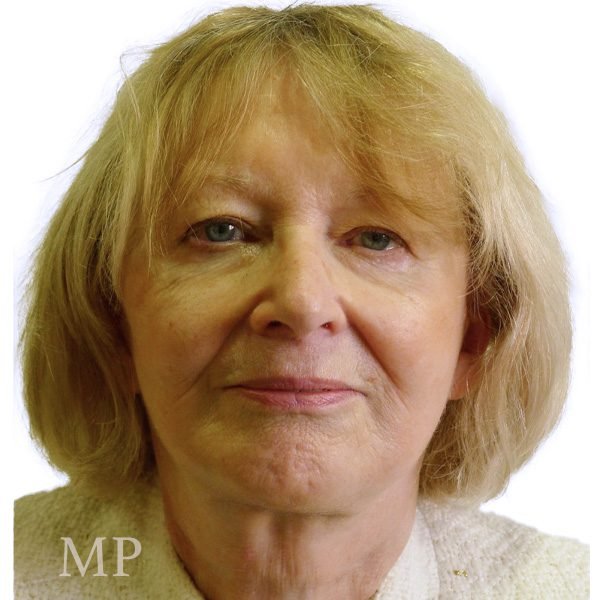
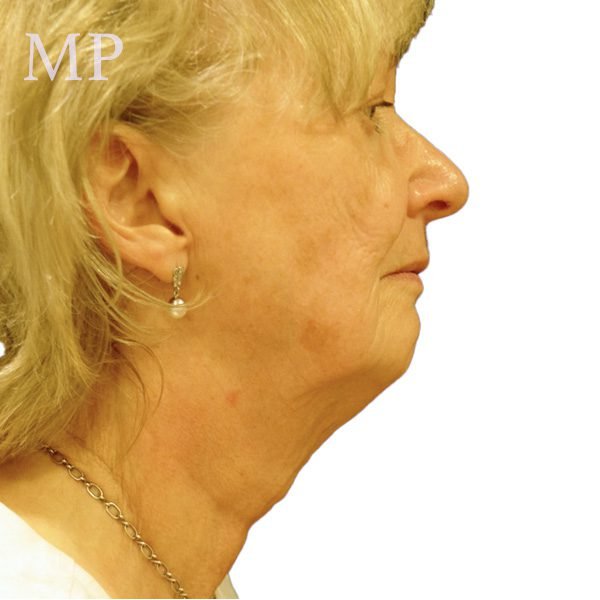
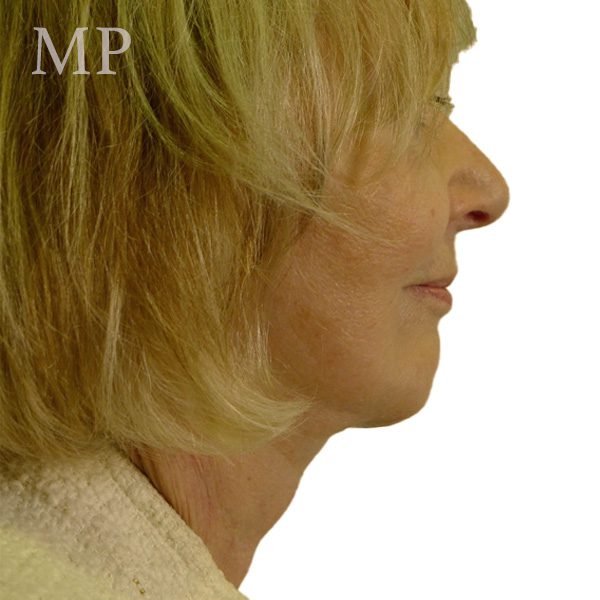
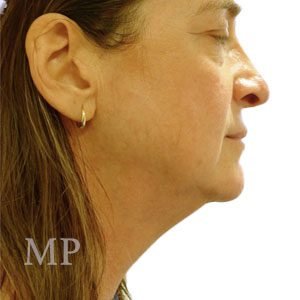
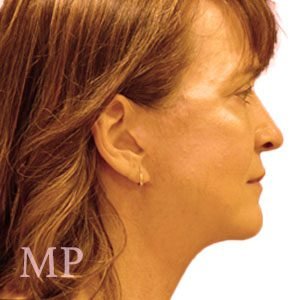
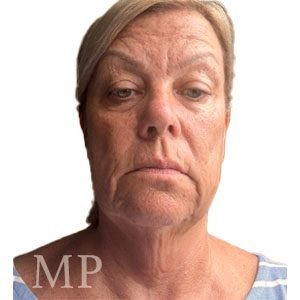

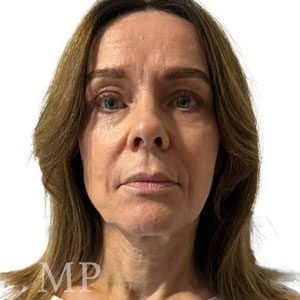
Your Recovery
Recovery Timeline
Days 1 – Shower encouraged; wound tapes washed and air dried; drains removed if used
Days 1–3 – Swelling peaks; rest quietly
7 days – Sutures removed at outpatient clinic
1–2 weeks – Light work possible depending on bruising and swelling
2–4 weeks – Most patients return to work; some social interaction by 2–3 weeks
6 weeks – Strenuous exercise avoided until this point
2–3 months – Looking good in photographs
6–9 months – Altered sensation and firmness fully settled
Do's & Don'ts
- Do not drive for at least 10 days — only resume when you can perform an emergency manoeuvre, turn your head freely and are off pain relief
- Rest quietly for at least three days after the procedure
- Sleep flat on your back without a pillow in the initial post-operative period
- Shower and shampoo the area from the first post-operative day
- Avoid straining, bending and heavy lifting for at least 2 weeks
- Avoid strenuous exercise for 6 weeks
- Avoid alcohol and citrus drinks for 2 weeks
- Avoid salty food or food that is difficult to chew in the early recovery period
- Do not perm, dye, highlight or chemically treat hair for 2 weeks after the procedure
- Use curling irons and hair dryers with care for several months — facial and scalp skin may have reduced sensation
- Apply the medicated moisturising lotion provided to all surgical sites twice daily for 2 weeks
- Pain relief: Paracetamol 1g four times daily as a baseline; Ibuprofen or Codeine Phosphate for breakthrough pain
The Procedure
- Infection or wound breakdown — exceptionally rare in this area due to the rich blood supply of the face
- Scarring — incisions are placed within the hairline and around the ear in natural skin folds to minimise visibility; some puckering initially, settling to flat scars within a month
- Swelling and bruising — expected; typically settles within one to two weeks
- Bleeding / haematoma — rare; drains may be placed during surgery to reduce this risk
- Changes in skin sensation — common around the operative site, including occasional numbness around the ear; typically resolves with time; full resolution of altered sensation and firmness takes 6 to 9 months
- Alteration to the hairline — rare; can occur where incisions pass into the hairline in front of and behind the ear
- Hair loss around suture lines — usually recovers fully once wounds have healed
- Asymmetry
- Facial palsy — an exceptionally rare complication caused by temporary weakness of the facial nerves; may affect muscles around the eye, smile, or lower lip; when it does occur it is usually due to swelling around the nerves and resolves within weeks; occasionally may last 6 months; permanent cases are exceptionally rare
- Over / under resection — Mr Potter errs toward under-resection, which is more straightforwardly corrected than over-resection
- DVT / pulmonary embolus — specialist stockings, compression cuffs and blood-thinning injections are given during your stay to reduce this risk
- Further procedures — where any adjustments are needed, Mr Potter and his hospital teams are happy to facilitate further surgery to ensure you are happy with your result
What Patients Say
Frequently Asked Questions
Am I a good candidate for a face and neck lift?
he best candidates are patients who are bothered by jowling, neck laxity or facial descent and are in good general health. Mr Potter will assess you across several consultations before recommending any procedure.
What is the difference between a Deep Plane facelift and a standard facelift?
A standard facelift primarily tightens the skin. The Deep Plane High SMAS technique goes deeper — lifting the underlying tissue structure independently of the skin, which produces a more natural, longer-lasting result and avoids the pulled appearance.
Will I look natural?
This is the central goal of Mr Potter’s approach. The technique is designed specifically to restore a younger version of your own face, not to produce an operated appearance. The testimonials above — many of which mention that friends and family had no idea surgery had been performed — reflect this.
How long do results last?
Results are long-lasting. The Deep Plane technique produces durable elevation of the deeper tissue structures. While the natural ageing process continues, patients consistently maintain a significantly more youthful appearance than they would without surgery.
How long is the recovery?
Most patients return to light work within one to two weeks and to full work within two to four weeks. Swelling peaks at around three days. You will look good in photographs at around two to three months, and altered sensation and firmness typically settle fully at six to nine months.
Where does Mr Potter perform this procedure?
Mr Potter sees patients at the Manor Hospital in Oxford.
Book a Consultation
Contact us if you have any health concerns or are looking to get a consultation. You can contact Matthew Potter by using the form below or contact him through one of the available telephone numbers or email addresses listed on this page.
Private Secretary & All Correspondence
T. 07917 965717
Swindon - Ridgeway Hospital
T. 01793 814848
Cheltenham - ProDerm, Festival House
T. 0800 0489230
Oxfordshire - Stratum Clinic,
Wootton Business Park
T. 01865 320790
Cotswold Surgical Partnership, Royal Wootton Bassett
T: 0808 2803560
Oxford - The Manor Hospital
T. 01865 307777
Contact Lissie on 07917 965717 or use the form below.